First responders, including paramedics, firefighters, police officers, and dispatchers, routinely encounter traumatic events. The cumulative exposure to critical incidents, severe injuries, death, and human suffering can significantly impact their mental health, leading to the development of post-traumatic stress disorder (PTSD). PTSD is a psychiatric disorder that can occur in people who have experienced or witnessed a traumatic event such as a natural disaster, serious accident, terrorist act, war/combat, or rape or who have been threatened with death, serious injury, or sexual violence. For first responders, the persistent nature of their work means that they are at a heightened risk compared to the general population. This article explores the various treatment modalities for PTSD specifically tailored for this demographic.
PTSD manifests differently in individuals, but common symptoms include intrusive thoughts, avoidance behaviors, negative alterations in cognition and mood, and alterations in arousal and reactivity. For first responders, these symptoms can be particularly disruptive, affecting their ability to perform their duties efficiently and safely, and straining their personal relationships. The unique occupational context – such as exposure to mass casualty incidents, child abuse, or line-of-duty deaths – often contributes to a complex presentation of PTSD.
Diagnostic Criteria and Challenges
The diagnosis of PTSD in first responders adheres to the criteria outlined in the Diagnostic and Statistical Manual of Mental Disorders, Fifth Edition (DSM-5). However, specific challenges exist. First responders often exhibit a culture of stoicism and self-reliance, which can lead to underreporting of symptoms and delayed help-seeking. They may fear professional repercussions, stigma from peers, or questioning of their fitness for duty. This can mean symptoms are often masked or attributed to other factors, making accurate diagnosis more difficult.
Co-occurring Conditions
It is crucial to recognize that PTSD rarely occurs in isolation among first responders. High rates of comorbidity are observed with other mental health conditions, including depression, anxiety disorders, and substance use disorders. These co-occurring conditions can complicate treatment, requiring integrated approaches that address all presenting issues concurrently. For instance, an individual struggling with both PTSD and alcohol abuse will likely require parallel interventions for both conditions to achieve lasting recovery.
In recent discussions surrounding mental health, particularly for first responders, the treatment of PTSD has gained significant attention. A related article that explores the complexities of mental health challenges faced by those in high-stress professions can be found at this link: Understanding the Controversy: Who is Being Detained at Alligator Alcatraz. This article delves into the broader implications of trauma and the need for effective support systems for individuals who serve on the front lines.
Psychological Interventions
Psychological interventions are a cornerstone of PTSD treatment. These therapies aim to help individuals process traumatic memories, modify maladaptive thought patterns, and develop healthier coping mechanisms.
Trauma-Focused Psychotherapies
Specific psychotherapies have demonstrated efficacy in treating PTSD. These “trauma-focused” approaches are designed to directly address the traumatic experiences.
Cognitive Behavioral Therapy (CBT)
Cognitive Behavioral Therapy (CBT) encompasses several techniques. Among them, Trauma-Focused CBT (TF-CBT) and Prolonged Exposure (PE) are particularly relevant for first responders.
- Prolonged Exposure (PE): PE involves repeatedly confronting feared trauma-related thoughts, feelings, and situations. This is done through in vivo exposure (gradually approaching real-life situations that have been avoided) and imaginal exposure (recounting the traumatic event in detail). The rationale is that by repeatedly facing these feared stimuli, the individual habituates to the distress and learns that the stimuli are not inherently dangerous. For a first responder, this might involve revisiting the site of a traumatic call or repeatedly describing the events of a particularly challenging incident.
- Cognitive Processing Therapy (CPT): CPT focuses on how individuals interpret and react to traumatic events. It helps individuals identify and challenge distorted thoughts (e.g., self-blame, exaggeration of danger) that develop after trauma. The therapy helps restructure these negative thoughts to more balanced and realistic perspectives, reducing distress and improving functioning. A first responder might believe they “should have done more” in a no-win situation; CPT helps unpack and reframe such unhelpful cognitions.
Eye Movement Desensitization and Reprocessing (EMDR)
EMDR is another evidence-based therapy for PTSD. It involves the client recalling distressing images or memories while simultaneously focusing on an external stimulus, such as the therapist’s hand movements, tones, or taps. The theory suggests this bilateral stimulation helps in the processing of traumatic memories, integrating them into a more adaptive neural network. The exact mechanism of action is still under investigation, but studies have consistently shown its effectiveness.
Other Supportive Psychotherapies
While not exclusively trauma-focused, other psychotherapies can play a supportive role, especially when co-occurring conditions are present or when trauma-focused therapies are initially too overwhelming.
Dialectical Behavior Therapy (DBT) Skills
Originally developed for Borderline Personality Disorder, certain DBT skills can be highly beneficial for first responders with PTSD. These include mindfulness, emotion regulation, distress tolerance, and interpersonal effectiveness. These skills can help manage intense emotional reactions, reduce impulsive behaviors, and improve relational dynamics often strained by PTSD symptoms.
Group Therapy
Group therapy can provide a sense of community and shared experience. First responders often feel isolated due to the unique nature of their work; group settings with peers who understand their experiences can be incredibly validating and therapeutic. It offers an opportunity to learn from others’ coping strategies and reduces feelings of shame or stigma.
Pharmacological Interventions

Medication can be an important component of a comprehensive treatment plan for PTSD, particularly for managing severe symptoms that impair daily functioning or when psychological interventions alone are insufficient.
Antidepressants
Selected Selective Serotonin Reuptake Inhibitors (SSRIs) and Serotonin-Norepinephrine Reuptake Inhibitors (SNRIs) are considered first-line pharmacological treatments for PTSD.
SSRIs and SNRIs
- SSRIs (e.g., Sertraline, Paroxetine, Fluoxetine): These medications work by increasing the levels of serotonin in the brain, a neurotransmitter associated with mood regulation. They can help reduce symptoms of depression, anxiety, and irritability often accompanying PTSD.
- SNRIs (e.g., Venlafaxine): These medications affect both serotonin and norepinephrine, another neurotransmitter involved in stress response. They can be effective for similar symptoms as SSRIs and may also help with energy levels and concentration.
It is important to emphasize that medication management requires careful monitoring by a qualified healthcare professional, with consideration for potential side effects and interactions. The selection of medication should be individualized based on the first responder’s specific symptoms, co-occurring conditions, and personal history.
Other Medications
Other classes of medications may be used to target specific PTSD symptoms or co-occurring conditions.
Alpha-1 Adrenergic Receptor Antagonists (e.g., Prazosin)
Prazosin is sometimes used off-label to treat trauma-related nightmares and sleep disturbances. It works by blocking certain receptors in the brain and peripheral nervous system, which can reduce the physiological hyperarousal associated with nightmares.
Atypical Antipsychotics
In cases of severe PTSD with symptoms like dissociation, paranoia, or severe agitation, low doses of atypical antipsychotics (e.g., Risperidone, Quetiapine) may be considered as an augmentation strategy to enhance the effects of antidepressants or to manage distressing symptoms not alleviated by first-line treatments. These medications are typically used with caution due to their potential side effect profile.
Holistic and Adjunctive Therapies
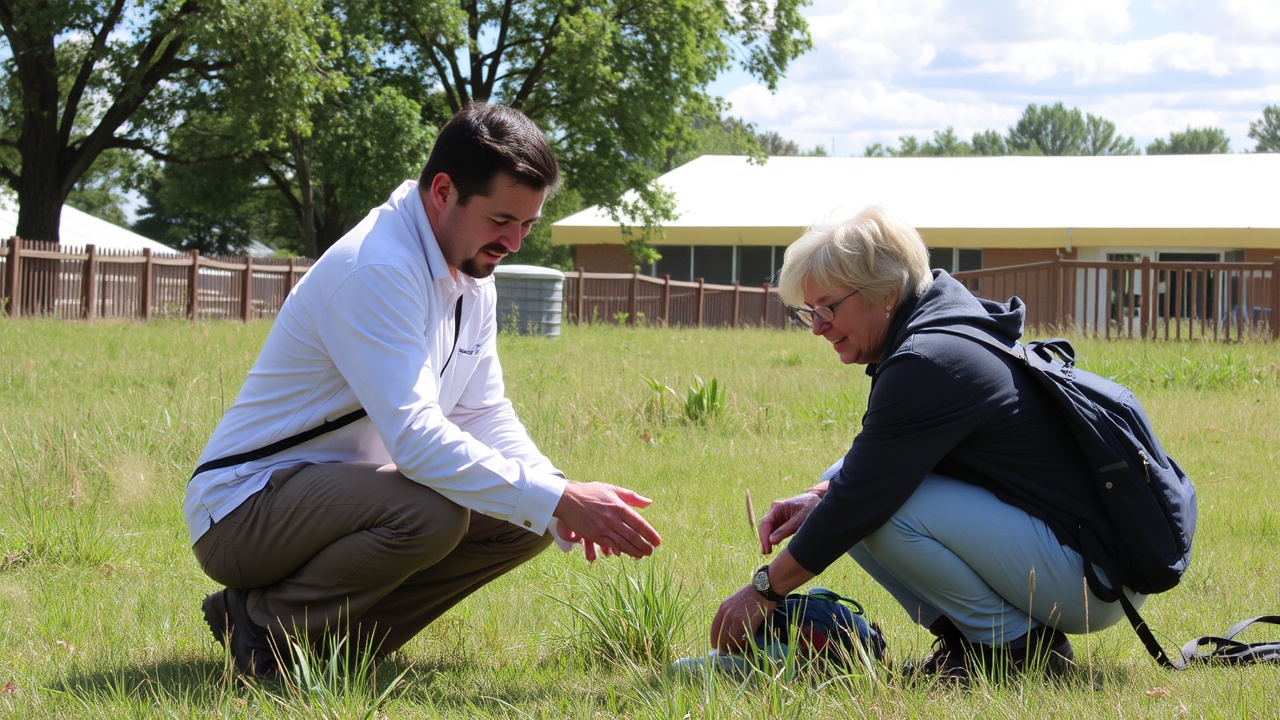
Beyond traditional psychological and pharmacological interventions, a range of holistic and adjunctive therapies can support the healing process and promote overall well-being for first responders with PTSD. These therapies often complement evidence-based treatments by addressing physical, emotional, and spiritual aspects of recovery.
Mindfulness and Stress Reduction Techniques
Mindfulness-based interventions teach individuals to pay attention to the present moment without judgment. These practices can help first responders become more aware of their internal states, reducing reactivity to triggers and improving emotional regulation.
Yoga and Meditation
Practices like yoga and meditation can reduce physiological arousal, improve sleep, and decrease symptoms of anxiety and depression. They serve as anchors, helping first responders ground themselves when caught in the turbulent currents of PTSD symptoms. Regular practice can enhance self-awareness and cultivate a sense of calm.
Peer Support Programs
Peer support programs are invaluable for first responders. These programs connect individuals with others who have undergone similar experiences and successfully navigated their recovery journey.
Formalized Peer Support
Many departments and organizations have formalized peer support programs, where trained peers offer confidential listening, empathy, and guidance. This network can mitigate the isolation often experienced by those with PTSD and provide a safe space to discuss challenges without fear of judgment or professional repercussions.
Animal-Assisted Therapy
Interaction with animals, particularly trained therapy dogs, can have a profound calming effect. Animal-assisted therapy can reduce stress, anxiety, and feelings of loneliness, fostering a sense of connection and unconditional acceptance that can be particularly therapeutic for individuals struggling with trust and emotional vulnerability.
First responders often face unique challenges that can lead to conditions such as PTSD, making effective treatment essential for their well-being. A recent article discusses various approaches to support these individuals in managing their mental health, highlighting the importance of community and professional resources. For more insights on this topic, you can read about the experiences of local leaders and their commitment to addressing mental health issues in the community by visiting this article.
Organizational and Systemic Support
| Treatment Type | Description | Effectiveness Rate (%) | Average Duration | Common Side Effects |
|---|---|---|---|---|
| Cognitive Behavioral Therapy (CBT) | Focuses on changing negative thought patterns and behaviors related to trauma. | 60-80 | 8-16 weeks | Emotional distress during sessions |
| Eye Movement Desensitization and Reprocessing (EMDR) | Uses guided eye movements to process and reduce trauma symptoms. | 70-85 | 6-12 weeks | Fatigue, mild anxiety |
| Prolonged Exposure Therapy (PE) | Involves repeated, detailed imagining or real-life exposure to trauma-related situations. | 65-80 | 8-15 weeks | Increased anxiety initially |
| Medication (SSRIs) | Selective serotonin reuptake inhibitors to manage symptoms like depression and anxiety. | 50-60 | Several months | Nausea, insomnia, sexual dysfunction |
| Group Therapy | Peer support and shared experiences to reduce isolation and stigma. | 40-60 | Ongoing | Variable, depends on group dynamics |
Effective PTSD treatment for first responders extends beyond individual-level interventions to include robust organizational and systemic support. The environment in which first responders work plays a significant role in both the development and recovery from PTSD.
Critical Incident Stress Management (CISM) and Debriefing
CISM is a system designed to mitigate the psychological impact of critical incidents. It includes various components, such as defusing (short, immediate interventions after a critical incident) and debriefing (a more structured group discussion about the incident).
Early Intervention and Prevention
Proactive strategies are crucial. This includes providing education about the psychological impacts of trauma, encouraging peer support, and promoting a culture where seeking help is normalized, not stigmatized. Early intervention following a traumatic event can significantly reduce the likelihood of PTSD development. Access to mental health professionals with specific expertise in first responder trauma is vital.
Policy and Leadership Endorsement
Leadership commitment to mental health initiatives is paramount. When organizational leaders openly support mental health resources, provide confidential access to care, and develop policies that protect first responders who seek help, it creates an environment where individuals are more likely to come forward. Transparent processes for managing mental health leave and return-to-duty protocols can alleviate fear and anxiety for those seeking treatment.
Training and Education
Ongoing training not only covers tactical skills but also mental health resilience. This includes training on identifying signs of distress in oneself and others, effective communication strategies, and stress management techniques. Education also extends to families of first responders, equipping them with knowledge and resources to support their loved ones.
First responders often face unique challenges that can lead to conditions such as PTSD, making effective treatment essential for their well-being. A related article discusses innovative approaches to mental health support for these individuals, highlighting the importance of tailored interventions. For more insights on how strategic decisions can impact various sectors, including mental health initiatives, you can read more in this article about Florida’s political landscape. This can be found at Florida’s political landscape.
The Path Forward: A Call for Comprehensive Care
Treating PTSD in first responders is not a singular event but a continuous journey. It requires a personalized, multifaceted approach that combines evidence-based therapies, appropriate medication, holistic support systems, and strong organizational backing. Ignoring the mental health of first responders is akin to ignoring fissures in a dam designed to hold back a flood – eventually, the structure will fail.
For the individual first responder, understanding your own symptoms is the first step. Recognizing that seeking help is a sign of strength, not weakness, is crucial. You have dedicated your life to protecting and serving others; now, it is imperative to allow yourself to be served in your time of need. The psychological wounds of trauma are as real and debilitating as physical injuries, and they demand the same level of attention and care.
The goal of treatment is not simply to eliminate symptoms, but to restore functionality, improve quality of life, and empower first responders to continue their vital work with resilience and well-being. This requires a societal shift in perspective, recognizing that investing in the mental health of first responders is an investment in the safety and health of the communities they serve.