Community leaders in Central Florida responded to the reported Maduro capture with a mix of cautious optimism and calls for judicious transition, reflecting decades of Venezuelan migration and political engagement. Orlando Venezuelans, including South Florida and Doral’s residents now spread across the region, shared personal stories of economic collapse and political persecution that pushed many Venezuelans fled to the U.S., describing how the humanitarian crisis and mass migration reshaped family networks. Local organizations such as Casa de Venezuela coordinated information and relief discussions, highlighting the strain on Venezuelan families and the Venezuelan population abroad. Analysts compared Maduro capture implications to past Latin America instability episodes, emphasizing protection of democratic institutions and preventing dictatorship relapse. Activists urged careful verification and legal pathways for accountability, referencing international legal expertise and civic strategies. For guidance on legal frameworks and business continuity for exiles, readers may consult entrepreneur legal counsel for migrants which offers relevant counsel for displaced entrepreneurs.
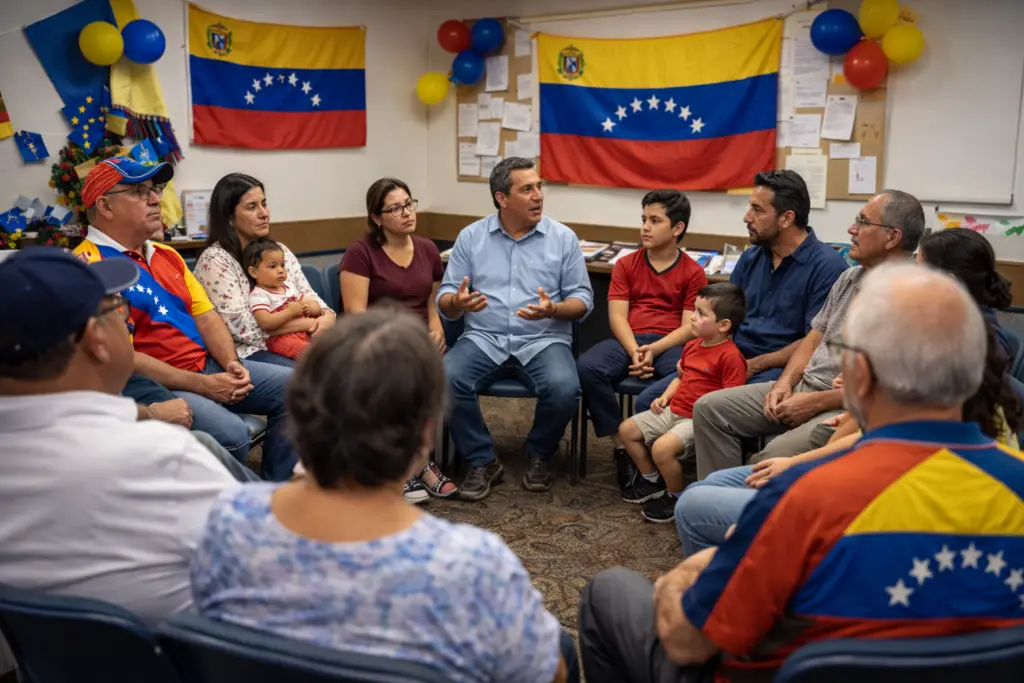
Community gathering photo showing diverse Venezuelan families discussing political developments and local relief efforts
Exploring the Current State of Venezuela Amidst Maduro’s Capture News
Assessing the current state of Venezuela requires an integrated look at political, economic, and humanitarian indicators. Analysts note that while Nicolás Maduro remains a central figure, reports about Maduro no longer in power or Maduro capture reverberate unevenly because the regime is still active in many institutions, complicating verification and the hopes of Venezuelan expatriates. The economic troubles and political woes that produced mass migration and reshuffled the Venezuelan population continue to manifest in hyperinflation, food insecurity, and weakened democratic institutions; these conditions feed both the humanitarian crisis and international advocacy efforts. Stakeholders in Central Florida and Doralzuela communities monitor developments closely, balancing calls for liberation with concerns about retaliatory abuses or US military involvement that could escalate instability. For resources on trauma-informed support for displaced persons and veterans of political persecution, community organizers recommend support resources for trauma and recovery as part of comprehensive care.

Infographic comparing pre-crisis and current economic indicators affecting Venezuelan households
Understanding the Geopolitical Impact on Venezuela
The geopolitical impact of a high-profile event like a Maduro capture extends well beyond borders: it reshapes alliances, prompts diplomatic recalibrations, and influences security policy in the hemisphere. U.S. military strikes or U.S. military action involvement raise urgent questions about sovereignty, legal authority, and long-term stabilization, while US special forces operations carry reputational and operational risks. Regional neighbors weigh their responses amid concerns over Latin America instability and potential refugee flows if political turmoil worsens. This moment also affects Venezuelan Vice President relations, the standing of Maduro’s government, and prospects for a judicious transition that safeguards democratic institutions. Civil society actors in Florida and beyond advocate for accountability for injustices and a legally sound process for Maduro capture and potential Maduro capture investigations, emphasizing peaceful, transparent mechanisms. For international arbitration and governance frameworks that might inform transitional arrangements, consult research networks such as global arbitration and governance analyses to understand precedents and legal pathways.

Map visualizing regional diplomatic shifts and refugee movement patterns across Latin America
Key Concepts: International Reactions and Local Sentiments
International reactions often contrast with local sentiments: global actors debate forceful measures while community groups prioritize immediate relief and truthful reporting. In Orlando, Venezuelan Americans and Venezuelan expatriates voiced a mix of triumph and caution, recalling past cycles where promises of liberation met entrenched regime resistance and political persecution. Local celebrations in Florida celebrations spotlight freedom and liberty themes, yet organizers emphasize that meaningful change must address economic collapse and social reconstruction to prevent a new dictatorship or resurgence of regime networks. Analysts caution against simplistic narratives such as Nicolas Maduro fall as an endpoint; instead, they recommend phased accountability, reintegration policies, and strong democratic institutions to prevent renewed political turmoil. Caseworkers and community advocates are coordinating to ensure Venezuelan families receive legal aid, trauma support, and economic assistance as part of a broader stabilization plan.

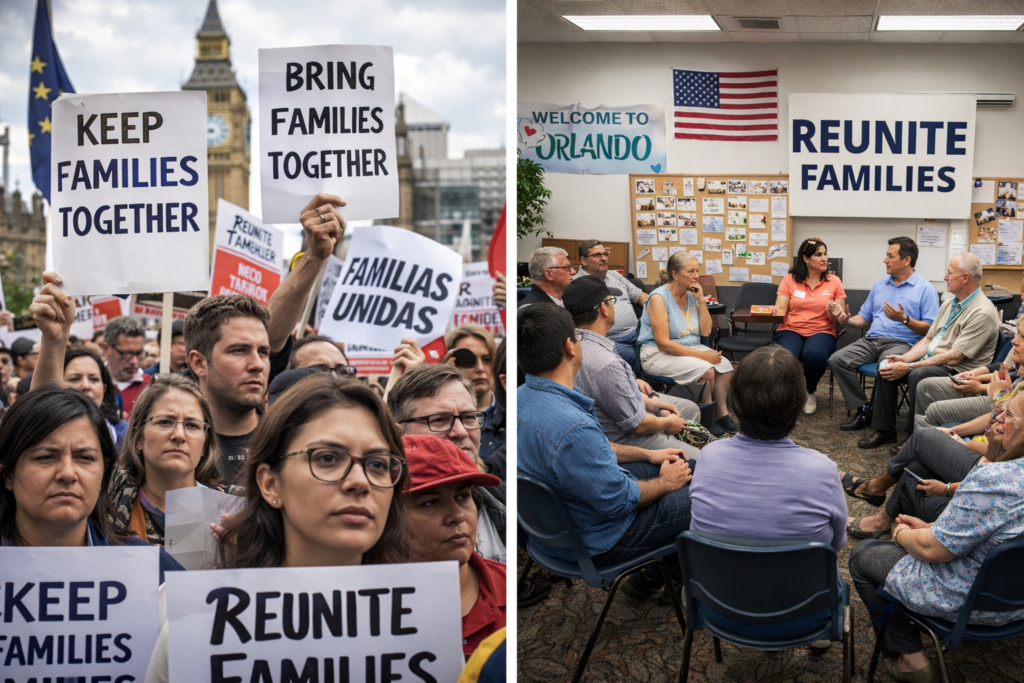
Split image showing international protestors and local Orlando community meetings focused on reunification
Important Factors Shaping Orlando Venezuelans’ Views
Orlando Venezuelans’ perspectives are shaped by layered experiences: family members left behind, news from state media, and firsthand accounts of political persecution and electoral manipulation. Many Venezuelan American families who fled economic collapse cite loss of livelihoods and the long-term impact on children; these lived experiences shape demands for reparative policies and insistence on judicial processes for Maduro’s government actors. South Florida Venezuelans and Doral’s residents engage through cultural institutions and Casa de Venezuela activities to channel political energy into humanitarian support and advocacy. Important factors also include media coverage framing, the specter of US military strikes, and the role of foreign governments in either enabling or undermining a judicious transition. Community dialogue emphasizes prevention of retaliatory injustices and protection for regime whistleblowers. Practical steps include legal clinics, voter education for Venezuelan expatriates, and coordinated humanitarian aid to fight hunger and stabilize families.
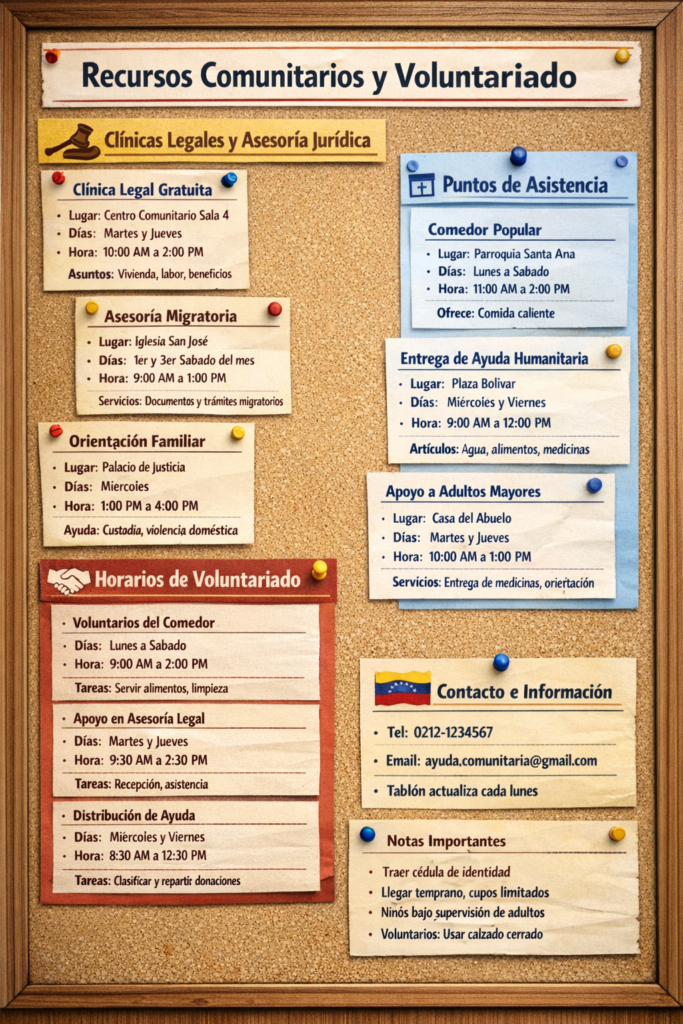
Community bulletin board listing legal clinics, aid distribution points, and volunteer schedules
Exploring the Current State of Venezuela Amidst Maduro’s Capture News
Careful examination of Venezuela’s state after capture-related reports must consider institutional resilience, the humanitarian crisis scale, and pathways for accountability that avoid chaos. Reports of US military involvement or U.S. military action raise constitutional and diplomatic questions; similarly, claims of Maduro capture or Maduro no longer in power require rigorous sourcing to prevent misinformation and undue celebrations among Venezuelan Americans. Economic collapse and mass migration have left deep scars in the Venezuelan population, and any transition plan must prioritize restoring democratic institutions, securing essential services, and prosecuting injustices through transparent judicial mechanisms. Diaspora communities in Central Florida and South Florida play pivotal roles in advocacy, fundraising, and providing tangible support to Venezuelan families. Local festivals and Florida celebrations serve as fundraising platforms to fight hunger and sustain cultural bonds, while political groups push for judicious transition frameworks that ensure Nicolas Maduro and his inner circle face legal scrutiny. For trauma support and recovery planning consult local and online resources tailored to displaced populations.
Detailed flowchart of transitional justice steps and community support mechanisms